
MAIN TAKEAWAYS:
- Thorough property inspections are a key first step in restoring any type of historic property, be it residential or commercial.
- Renaissance provides a comprehensive historic property inspection that includes an exterior and interior evaluation.
- This inspection includes a written scope of work featuring photo documentation for a clear understanding of the work required to restore and preserve a historic structure.
Whether you’re buying a new property with an eye for preservation or considering a renovation of your existing historic property, bringing in a contractor to review the state of the property is an essential step in making a major investment.
While many contractors are familiar with today’s codes and regulations, they might fall short on that same knowledge when it comes to working on historic buildings. This is why you should hire a contractor with expertise on historic buildings to consult with you at the time of the inspection.
To give you an idea of what to expect from our approach to the inspection process, here are common questions we get from property owners.
What should I expect from a historic property inspection?
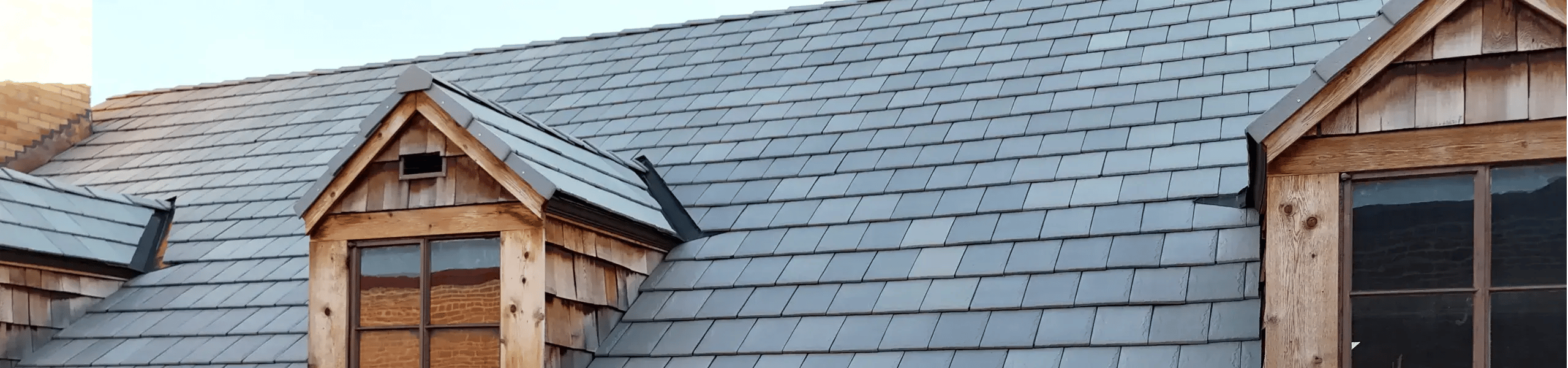
Inspections of historic buildings frequently reveal issues in non-obvious places. When Renaissance Historic Exteriors is hired to do a historic property inspection, we go through a systematic PROCESS based on the philosophy that issues in one part of your historic structure may very well HAVE A CASCADING Effect on another.
Why does an exterior project assessment require an interior inspection?
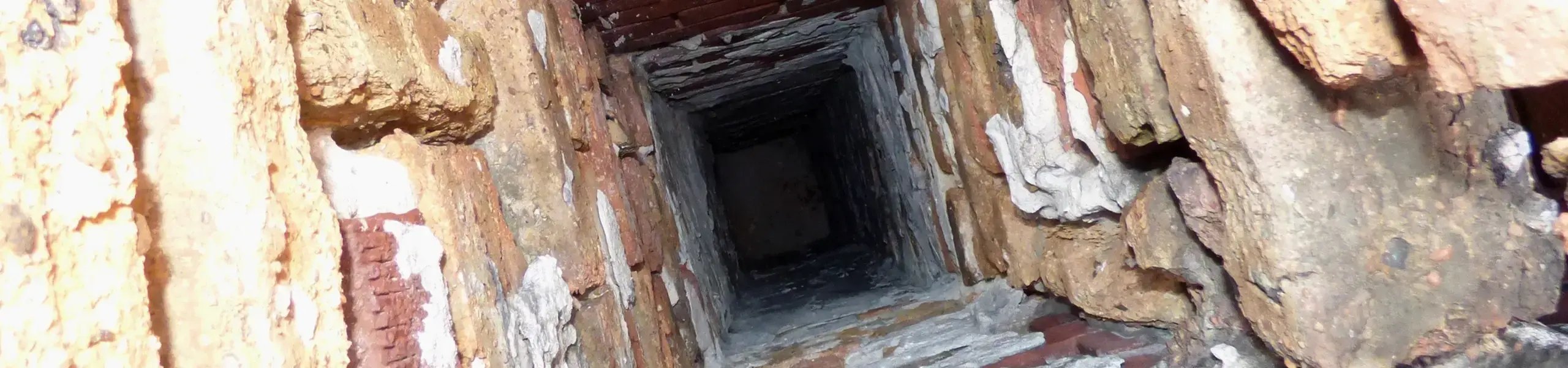
An internal inspection can identify issues caused by water or pests, structural and framing issues, or issues with insulation or ventilation design. Historic buildings with decorative elements may have uncommon corners or unexpected valleys where water damage and pests can hide. We also look for any historic building materials, such as asbestos and lead paint, that may require mitigation.
Temperature differentials caused by insufficient insulation may have caused expansion gaps in framing and decking. Poor ventilation may allow humidity to attract mold. While historic buildings may excel in craftsmanship in certain areas of construction, ventilation and insulation systems have improved significantly over time. Inspectors with historic building experience know how to spot issues that can be resolved with modern solutions.
What elements of the exterior assessment are unique to a historic building?
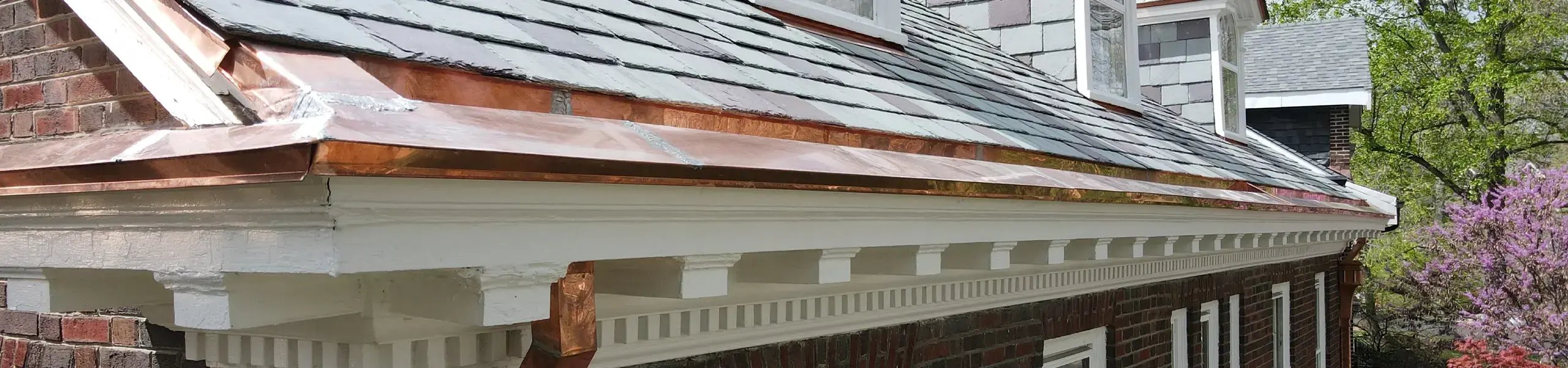
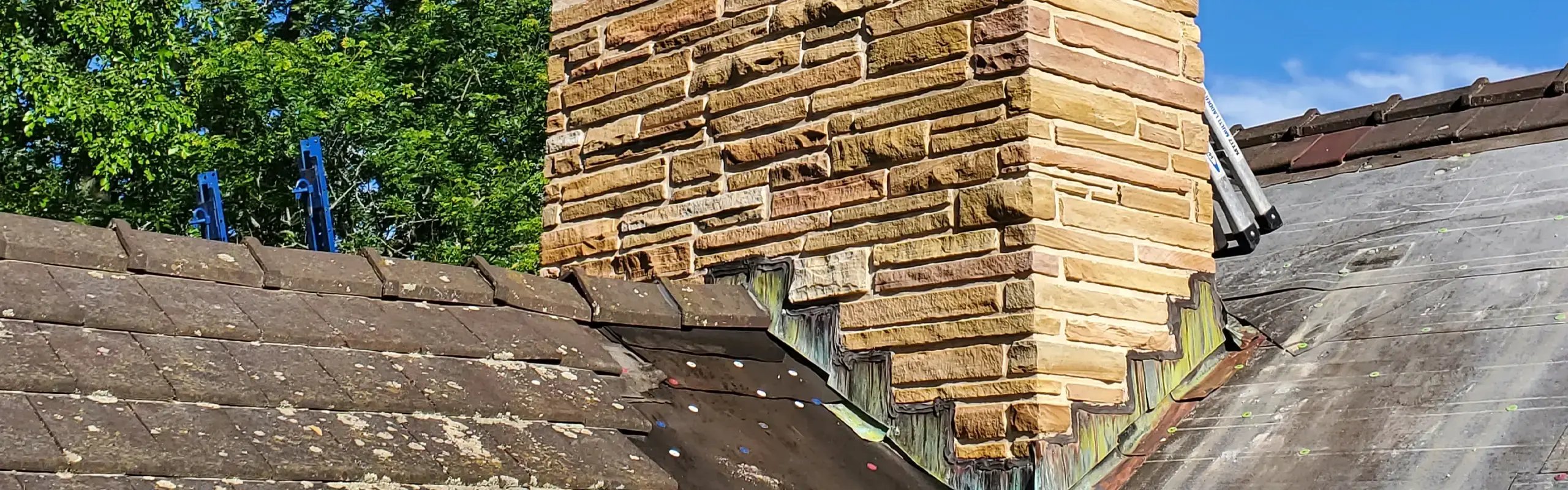
Our external assessment reviews the status of the roofing and common exterior issues. Slate and Spanish tile roofing present unique challenges and inferior chimney flashing or masonry issues can cause hidden damage behind walls. Knowing how different metals chemically interact with each other and the stone or brick facades of chimneys gives historic inspection teams an advantage when it comes to identifying issues.
Architectural elements that are less common today, like architectural sheet metal parapets, or materials that aren’t used as much in contemporary construction, such as limestone, can either stump or be overlooked by less-skilled masonry inspectors. Our masonry experts have experience with tuckpointing and repointing archways, stone facades, and more. The purpose of our repair work is to both maintain appearances and improve structural integrity.
Like masonry, carpentry carries its own set of challenges. Historic buildings often feature wood decorative flourishes, exposed beams, and archways. Decades of exposure to changing temperatures and weather may affect their durability. Our team of historic carpentry experts works on both the structural framing issues and the aesthetic preservation.
What should I expect after the inspection is complete?
After our assessment, we provide a written scope of work that details all aspects of the potential restoration, including recommended materials and the steps necessary to protect the historic nature of your building. This is a comprehensive document that includes photos and detailed information about the property gathered during the inspection. The scope of work will also detail any environmental hazards that may require special safety protocols.
If you are satisfied with the inspection process and agree with the recommendations, Renaissance will guide you through the next steps of the process to ensure your restoration project is completed to your satisfaction.
Our project profiles are the proof you need to feel confident in partnering with Renaissance on your next restoration project. Schedule your property inspection today and take the first step in preserving your historic building for generations to come.


