
MAIN POINTS:
- Experience modification rate (EMR) is calculated by comparing a company’s annual workers’ compensation claims to industry averages based on location and trade.
- Some industry benchmarks put the average EMR for roofing contractors at 1.00 or higher, while companies with exceptional safety records maintain an EMR of less than 1.00.
- Renaissance Historic Exteriors consistently maintains an EMR of less than 1.00, emphasizing the value and care we place on a comprehensive safety program.
When it comes to hiring a historic restoration contractor for a commercial or residential job, experience is one of the key factors to consider. Skilled craftsmanship, experience with a range of project types, and the ability to work with a variety of construction materials are among the top reasons why customers choose one historic restoration contractor over another.
Experienced contractors know the value of creating a safe workplace and the role safety plays in maintaining a low experience modification rate (EMR). Prioritizing EMR makes it easier to build long-term partnerships, reduces production delays, and helps avoid unexpected costs that come from injury liability or workplace accidents.
Here, we’ll briefly look at what EMR is and why it should be a factor when choosing a historic restoration contractor.
what is emr?
EMR, or Experience Modification Rating, is calculated by comparing a company’s annual workers’ compensation claims to industry averages based on location and trade. EMR modifiers are used as multipliers for insurance rates: The lower a company’s EMR rating, the lower their overall worker’s compensation costs will be.
A typical contractor that is average across every safety metric would score a 1.0. Companies with exceptional safety records are usually rated less than 1, while contractors with a higher rate of workplace injury claims are rated above 1.00.
Worker’s compensation insurance is usually one of a company’s larger annual costs. Contractors will often calculate these expenses into the hourly job-site rates when preparing project quotes.
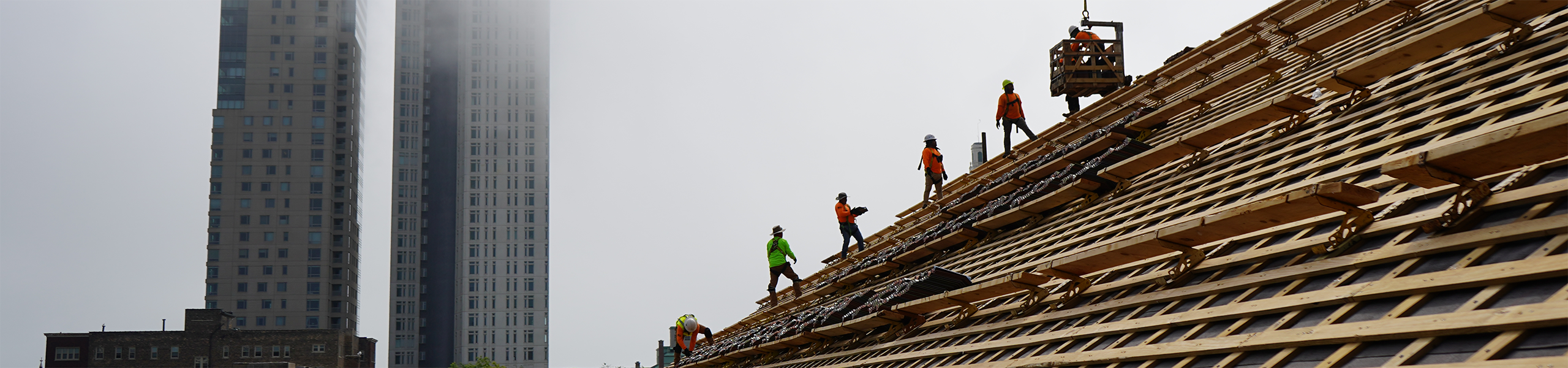
When a company has a strong EMR that results in lower workers’ compensation rates, it becomes easier to invest those insurance savings elsewhere. In the long run, safe contractors can reinvest these savings into training, hiring more experienced workers, and using higher-quality materials. A below average EMR (less than 1.00) not only signifies a safe workspace but also a more professional, well-run organization.
Renaissance has historically maintained an EMR below 1.00 for more than 10 years, demonstrating our commitment and dedication to creating a safe working environment for our employees and the structures we restore. Our Magellan Building Assessment and Monarch Elite Process help our team identify potential safety hazards during the property inspection and create a detailed project to account for these hazards before work even begins.
Renaissance has maintained an EMR below 1.00 for more than 10 years, demonstrating our commitment and dedication to creating a safe working environment for our employees and the structures we restore.
what does safety have to do with high-quality restoration work?
Many major construction and industrial bids require eligible companies to maintain an EMR of 1.0 or below for prequalification. These customers understand the value of having safety built into their bids.
Property managers, engineers, and architects count on contractors to complete the job on schedule and within budget. Workplace safety incidents work directly against these goals, often creating work stoppages, cost increases, and process shortcuts that can undermine the historical integrity of a building.
Jobsite safety helps promote high-quality restoration work by also preventing damage to — or the loss of — custom construction materials or components. For example, safety protocols can protect custom-fabricated architectural sheet metal or copper from undue wear and tear during transit or installation. This helps ensure projects are completed on time and reduces the likelihood of costly installation claims, which can cause further delays.
how does renaissance invest in workplace safety to maintain a low emr?
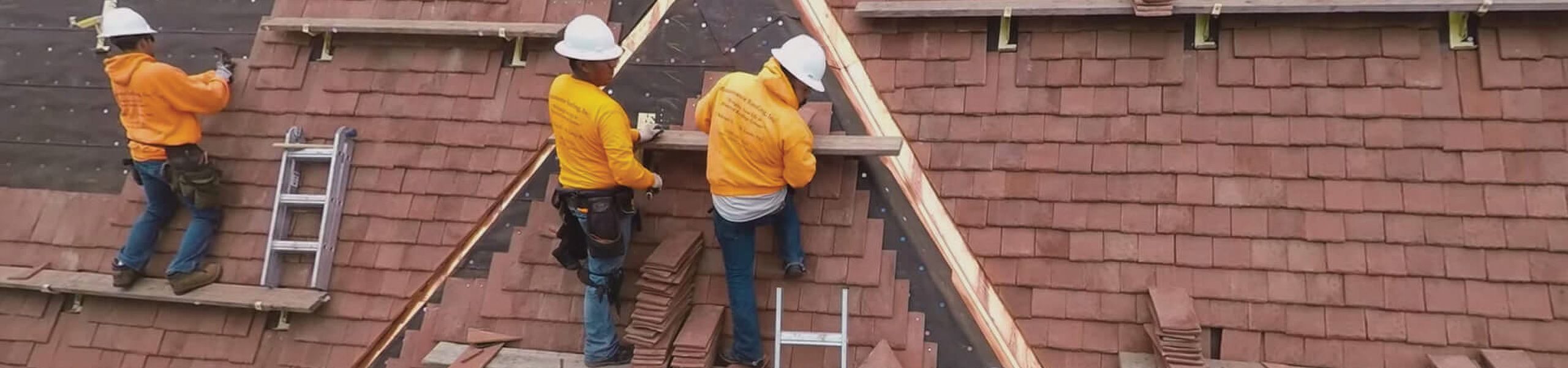
Renaissance employs a team of expert craftspeople who hold the highest standards for historically accurate, safe restoration work that helps preserve buildings for generations to come. Our technicians understand the importance of establishing and following safety protocols that protect structures and employees alike, helping us maintain a low EMR.
During a restoration project at Iowa State University, we partnered with the OSHA Iowa WORKSAFE program. The program helps contractors stay proactive in planning, implementation, job-site consultation, and training so stakeholders can recognize and address safety issues early. We began our project by working with the Master Builders of Iowa to discuss our site-specific safety plan, identify potential hazards, and ensure regulatory compliance.
When working on site, we issue and verify the proper use of personal protective equipment (PPE), fire protection equipment, and fall protection gear. Between projects, we remain committed to safety training for all of our staff.
A strong EMR is more than a number; it reflects a culture of accountability, preparation, and respect for every person on the job site. Our EMR is a testament to the care and consideration we give to the planning and execution of every restoration job we undertake, residential and commercial alike.
Contact us today to schedule your property inspection or to request more information about our restoration services.


