


Keeping a historic courthouse, church, or house museum open while you restore it is a balancing act, one that requires planning, skilled crews, and a partner who treats every day on site like they’re part of your team. At Renaissance, we’ve built that playbook from years of experience with occupied‑property projects, where success means completed work, zero surprises for occupants, and no compromises on safety or historic integrity. Here’s what you need to know, and why the right partner matters.
Plan Like an Operations Team
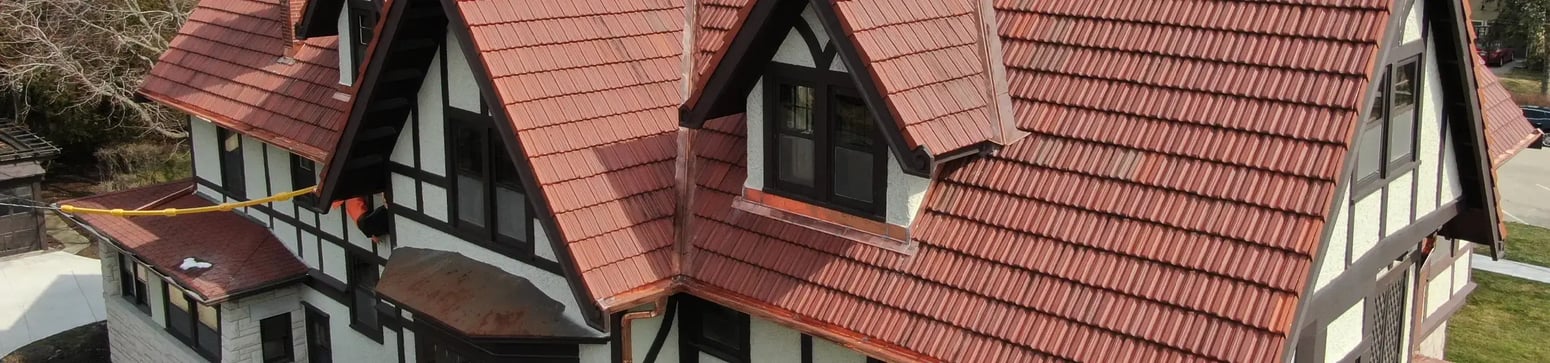
The difference between a disruptive restoration and a smooth one starts months before scaffolding goes up. We begin with a detailed logistics and phasing plan that maps pedestrian flows, emergency egress, material deliveries, noise windows, and work sequencing so the building can remain usable throughout the project. This planning reduces conflicts between trades and property operations and creates measurable windows for any loud or intrusive work to lessen the impact on occupants. For a working house museum like the Funderberg House, that planning supported public hours and visitor tours while masonry, roofing, and carpentry proceeded around them.
Containment and Safety Are Non‑Negotiable
When the public is on site, safety is the first line of defense. It’s important to design barriers, dust-control systems, and temporary walkways that separate work zones from public spaces and keep air quality, acoustics, and trip hazards under strict control. Crew training and an on‑site safety supervisor ensure that tools, debris, and access points are monitored continuously. This is especially critical in spaces with fragile heirlooms, active worship services, or courtroom schedules, such as at the Hillsdale County Courthouse, where occupant safety and uninterrupted operations were top of mind during restoration.

Communicate Early and Often
Restoring an occupied building is partly a communications project. Renaissance assigns a single point of contact for property managers and stakeholders so residents, tenants, and the public receive clear, timely updates about schedules, temporary closures, and safety procedures. Regular briefings, visible wayfinding, and on‑site signage reduce surprises and build trust, so congregations can plan services, courthouse staff can adjust dockets, and museum directors can manage tours without last‑minute scramble.
Protect the Building’s Historic Fabric While Keeping It Open
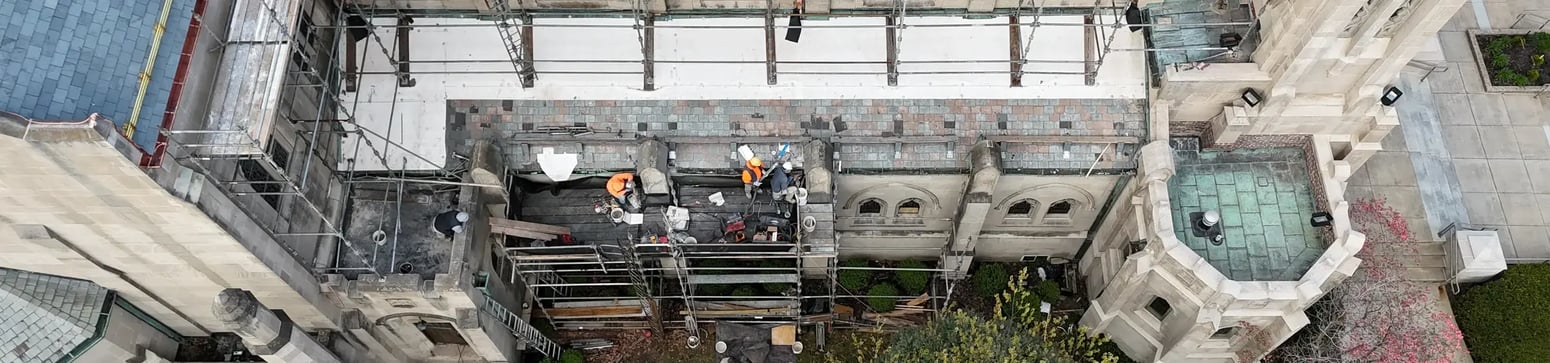
Working on an occupied building means layering protection onto an already complex restoration scope: temporary roofing or scaffolding that respects masonry and cornices, hoisting plans that avoid damage to stained glass and carved wood, and conservation‑minded repairs staged to allow continued use of important spaces. The key is using reversible, non‑invasive, temporary systems so public spaces remain safe and the historic fabric stays intact—techniques we employed during the roof and exterior work at Blessed Sacrament.
Logistics: Deliveries, Staging, and Time Windows
Commercial restorations demand logistics precision. Renaissance coordinates off‑hour deliveries, creates secure laydown areas, and sequences material staging to minimize our footprint in active areas. For civic projects, deliveries and hoisting are scheduled around court calendars, and our crew uses small, targeted lifts so operations inside the building can continue with minimal interruption. This choreography keeps the project on budget and accelerates completion without forcing lengthy closures.
Skilled Crews Who Think Like Stewards
On occupied sites, you need craftsmen who understand people as well as materials. Renaissance crews are trained to work quietly and quickly, clean up continuously, and treat occupants with respect—small behaviors that preserve goodwill and reduce complaints. That stewardship extends to historic preservation techniques: When work requires visible changes to a historic property, we document conditions and use historically appropriate materials so the restored space returns to public use both safer and more beautiful than before.
Measure, Adapt, Deliver
Occupant‑sensitive restorations benefit from constant measurement; tracking dust, noise, schedule adherence, and stakeholder feedback lets teams adapt daily. If your property needs restoration but you can’t (or don’t want to) shut down operations, the right partner matters.
At Renaissance, we combine preservation expertise with logistics, safety systems, and crew discipline so your building stays open and its character is protected. It’s critical to us that our projects finish on time, on budget, and without sacrificing the people who rely on the building every day.
REACH OUT TO OUR TEAM to discuss your restoration project today.


