


Why Your Historic Home Needs the Correct Insurance
When insuring a historic home, not all policies offer the same protection.
Historic homes can be harder to insure because of the specialized repairs they require, the materials they use, and the risks they pose. Choose the right insurance so that your historic property never loses the details that make it special — the details that make it a home.
With the rich character of a historic property, you can’t risk compromising future repairs with insurance plans that don’t cover necessary materials and techniques.
While choosing the cheapest or easiest insurance plan may seem like a good idea initially, it will cost you in the long run. With the right coverage, your historic home can get the care and craftsmanship it deserves.
What Makes a Historic Home Different to Insure
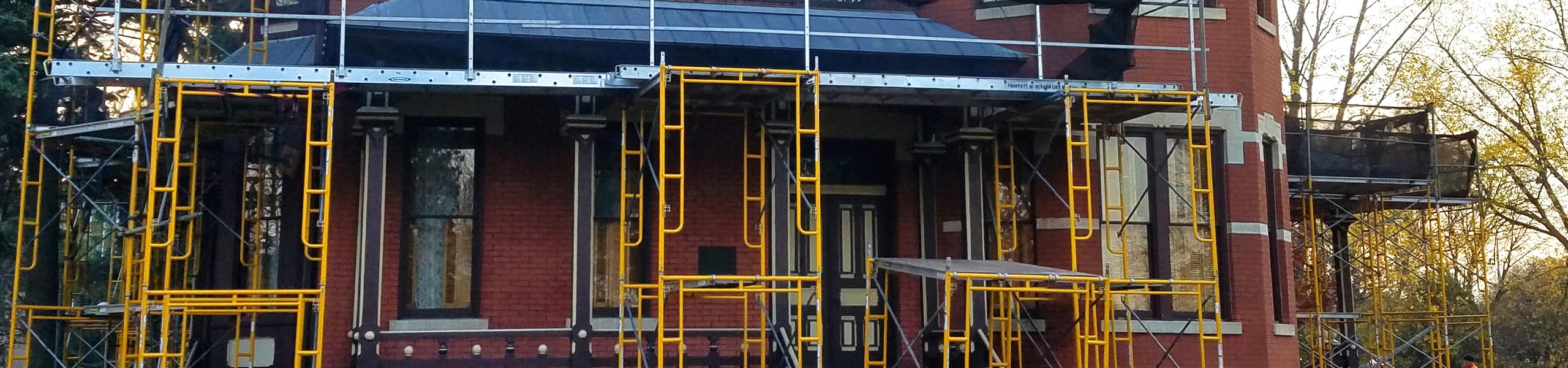
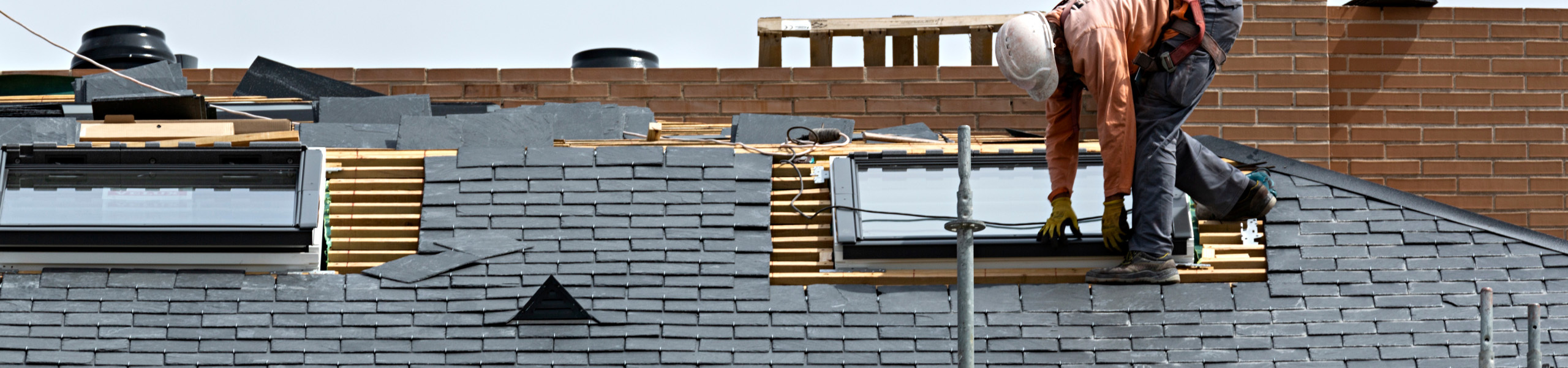
Insuring historic homes is not the same as modern houses. Historic homes may have slate roofing, clay tile, historic carpentry, specialized masonry, and architectural sheet metal, but some insurance policies will only cover the cost of a modern replacement. Modern replacements can affect your home's character, integrity, and make repairs more frequent in the future. Historic homes are built to last, and when restored and maintained properly, repairs can last for years to come.
A standard insurance policy that would rebuild a modern house can often not restore a historic one.
Historical repairs require specialized craftsmanship. This can make repairs or replacements more expensive than modern fixes. You need an insurance policy that will support this specialized craftsmanship, not avoid it.
Insurers may also change coverage options based on whether your home is listed on the National Register of Historic Places.
How to Get the Best Premium on Your Historic Home Insurance
Many historic homes also have outdated electrical, plumbing, and HVAC systems. This increases your home’s risk of fires, water damage, or other issues which can affect coverage and raise premiums. Updating these systems will improve the safety of your home, while allowing you to be eligible for better insurance rates.
These kinds of modern system updates don’t take away from your home’s historical value; they protect your home’s most important assets. Some insurance carriers may also offer discounts for property owners who take various preventative steps — such as installing updated fire prevention or security systems — to preserve their historical home. There may also be state or federal tax incentives for taking these steps. These incentives can reduce coverage costs and benefit you financially.
Unfortunately, insuring historic homes can be more expensive than modern ones due to most repairs requiring specialized materials and labor techniques. But while you may have to pay a higher premium, having the proper insurance protects your home and decreases individual repair costs when your home needs attention. The right insurance will preserve your home and protect your pockets in the long term.
Coverage Tiers for Historical Homes
Not all insurance policies are the same. When choosing the right plan for your home, there are a few key questions you should ask your insurance provider. A big difference in coverage is whether your insurance pays the replacement cost value (RCV) or the actual cash value (ACV) for repairs.
With ACV coverage, your insurance will subtract your deductible and depreciation — additional money based on your home’s wear and tear. The amount you receive for the repair will therefore decrease based on the age of the existing materials.
You should avoid this type of coverage for historical homes. The actual cash value will not give you the amount you need to successfully perform your historic repairs. And you don’t want to lose your home’s character and durability by settling for standard modern repairs.
With RCV coverage, your insurance pays for the cost of the repair, minus your deductible. For historic homes, RCV is preferred over ACV coverage because your insurance won’t subtract money for general deterioration from the years of history your home holds.
The best kind of insurance coverage for historic homes is guaranteed/extended replacement in addition to ordinance and law insurance. With historic materials that can be more expensive compared to modern craftsmanship, having your insurance match the kind and quality of materials in the replacement cost is crucial. This type of home insurance ensures your repairs and rebuilds are done effectively with historically accurate materials.
Another aspect to look for in your insurance policy is guaranteed or extended replacement cost to absorb construction-cost spikes after regional storms. Storm damage can lead to bigger restoration projects down the road, so it's important to do regular maintenance and replacements to avoid further damage or leaks following a storm.
Historic buildings may also need to be updated to comply with today’s ordinances and laws. This kind of insurance coverage helps cover costs of repairs and restorations required to bring the home up to modern building codes.
Having to comply with specific codes or ordinances can increase the scale and cost of your restoration. Ordinance and law coverage ensures compensation for any of those additional expenses.
What to Look for in Insurance Policies for Historic Homes
- Guaranteed or extended replacement cost
- Restoration-grade protection
- Ordinance and law coverage
The best property insurance policy for your historic home should provide comprehensive coverage for specialized materials and labor to maintain your home’s historic accuracy.
How to Streamline the Claims Process
For future insurance claims, proper documentation of your home can be crucial to show your provider your home’s original condition. In the case of storm or fire damage, a before photo of your home prior to the damage allows you to maximize your coverage for necessary repairs.
With Renaissance’s Magellan Building Assessment (MBA), we do a thorough, comprehensive inspection of both the interior and exterior of your property.
During the inspection, a historical building specialist will take photographs of your property's condition to be included with our written assessment and recommendations.
This not only gives you visibility into potential issues and liabilities but provides you with what you need to prove your home's condition before the damage to your insurance carrier.
Finding the Right Insurance
To protect and preserve your historic home, the right insurance policy is crucial to ensure all repairs and restorations are done as efficiently and effectively as possible. Value lost from depreciation and quality lost from modern shortcuts will erase the lifespan and history that makes your home so special.
Renaissance Historic Exteriors has decades of experience working with property owners and navigating insurance claims to make sure your historic structure receives the care and attention it deserves, preserving your property for generations to come.
Contact us to learn more about our services and request your Magellan Building Assessment today to prepare for your next insurance claim.


