

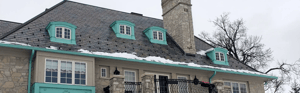
As we begin the fall season, it's time to start thinking ahead for winter. Winter weather can be extremely detrimental to a historic home's exterior and interior. It's crucial to get ahead of any damage to avoid large repair projects once spring comes.
While some roof damage is immediately apparent, normal wear and tear or small defects can be harder to identify. Routine inspections are necessary to identify these structural or aesthetic issues before they turn into more serious and expensive problems.
By staying ahead of your seasonal roof maintenance and preparing your home for winter, you can avoid devastating damage to your historic property, protecting your home and everything inside.
Winter’s detrimental damage to your historic home
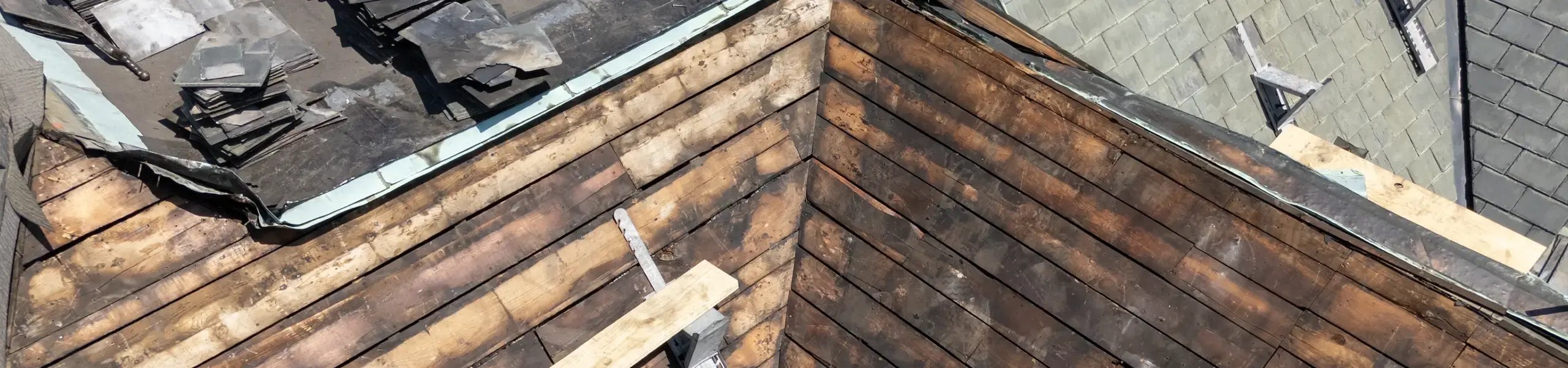
With the abundance of snow and ice, winter is a season with plenty of moisture. That water can damage your home in many ways, such as by seeping into any small cracks and creating leaks. These leaks not only affect the outside of your home, but subject the inside to damage and deterioration, potentially compromising the integrity of ceilings and walls, leaving staining, damaging insulation, and creating mold.
Once the temperature drops, any water inside cracks in your roof can freeze, expanding and completely cracking the slates or tiles.
Winter roof leaks can also be caused by attic condensation. This type of damage occurs when water vapor from the inside of your home travels to your attic. As the warm, moist air from your living space rises and gets trapped, the cold underside of the roof deck causes the air to cool and the moisture condenses, creating water droplets that can coat wood and other surfaces and leave lasting damage.
Excess condensation can create rot, mold, visible leaks, and a variety of other issues. This damage can be extra harmful because it is slower to accumulate. It's not as obvious as other kinds of damage, so many homeowners don’t notice the issue until their roofing beams and decking are rotting away and mold has spread to the rest of the home.
The solution for attic condensation is proper insulation and ventilation. Making sure all attic surfaces are properly insulated keeps the warm air where you actually want it — in your living space. Additionally, make sure any exhaust fans vent outside, not into the attic.
One of the most damaging winter-weather-related issues is the formation of ice dams, which is more common in historic homes. Ice dams are a buildup of ice that trap moisture underneath roof materials, walls, and ceilings. They form when snow on the roof melts and then refreezes in the eaves once temperatures drop again.
This harmful trapped moisture can cause significant problems for your historic home, such as breaking slates and tiles, rotting wood framing, loosened flashings, compromised gutters and downspouts, and mold.
Problems winter weather can cause
- Leaks
- Cracked slates and tiles
- Ice dams
- Wood rot
- Compromised gutters and downspouts
- Mold
How to prepare your historic home for winter
To avoid damage and protect your historic home, there are a few things you can do to prepare ahead of winter weather.
Schedule an inspection
The first step toward preparing your home for the cold months is to schedule an inspection. It’s important to check for cracked tiles, slipped slates, or any lifted flashing on your roof — all of which can cause leaks once extreme weather conditions begin.
Roof inspections should be done by a professional, as an inexperienced person on your roof could result in broken tiles or misdiagnosed issues. Renaissance’s Magellan Building Assessment (MBA) examines both the interior and exterior of your home, giving you proper visibility into any potential problems and liabilities. The interior inspection will examine your attic, framing and structure, insulation and ventilation, and any location of leaks. On the exterior of your home, the historic building specialist will assess your roof, masonry, carpentry, gutters, and downspouts.
During the inspection, photographs of your home will also be taken. Creating this documentation is crucial ahead of any winter damage. If you need a repair or restoration, these photographs will prove the prior quality of your home to your insurance carrier, allowing you to maximize your coverage.
Get your inspection done early so if there are any issues you have time to fix them before cold weather and storms hit. This time is also popular for repairs, so you need to start scheduling early to avoid long wait times.
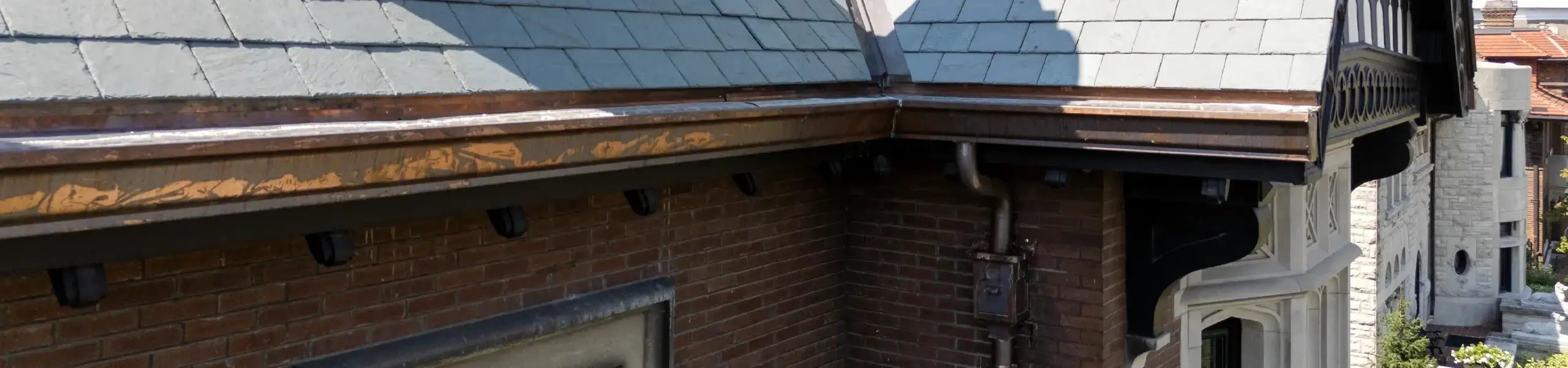
Clean gutters and downspouts
In preparation for winter, you need to clean your gutters after the big leaf drop. Depending on how heavily treed your yard is, you may have to clean the gutters twice to get all debris out. Make sure your downspouts are also clear of any debris and are directing water away from your home properly.
Check heating and sealing
Before cold temperatures hit, check all of your heating. You don’t want to find out your heating is faulty when you need it most. If necessary, service your boiler and furnace and bleed your radiators.
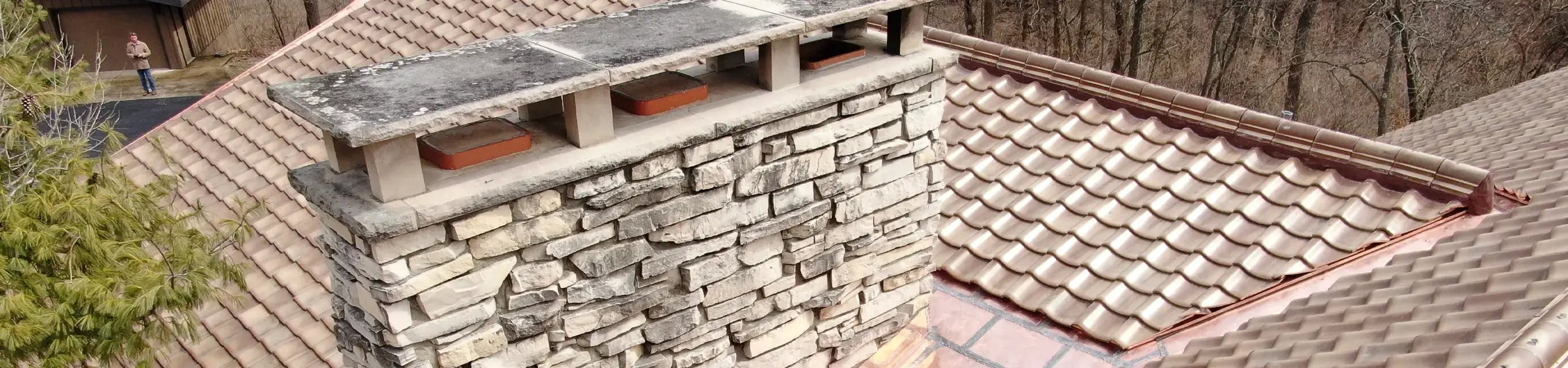
Another way to stay warm in winter is curled up next to the fireplace. Make sure to conduct a proper chimney inspection, removing any buildup and ensuring the inside and surrounding area are properly sealed.
To prepare for cold drafts and winds, you should also install storm windows and check weatherstripping on all doors and window sashes. Windows are very susceptible to breakage and drafts, especially in a historic home.
Plan for snow removal
You should also plan ahead for any potential snow removal work. Excess snow can gather on roofs and make them vulnerable, especially on historic homes with flat roofs. Professional snow removal can eliminate this issue. For ice dams, professional removal is also the best route to take to properly assess the issue and avoid lasting damage.
Schedule your assessment
To prevent serious leaks and large repair projects, schedule your historic home inspection now. In case of any harsh, devastating storms, having proper documentation of your home’s condition before winter also helps you get the most out of your insurance claim. Contact Renaissance to schedule your Magellan Building Assessment today.


